

Avoid nitrogen losses
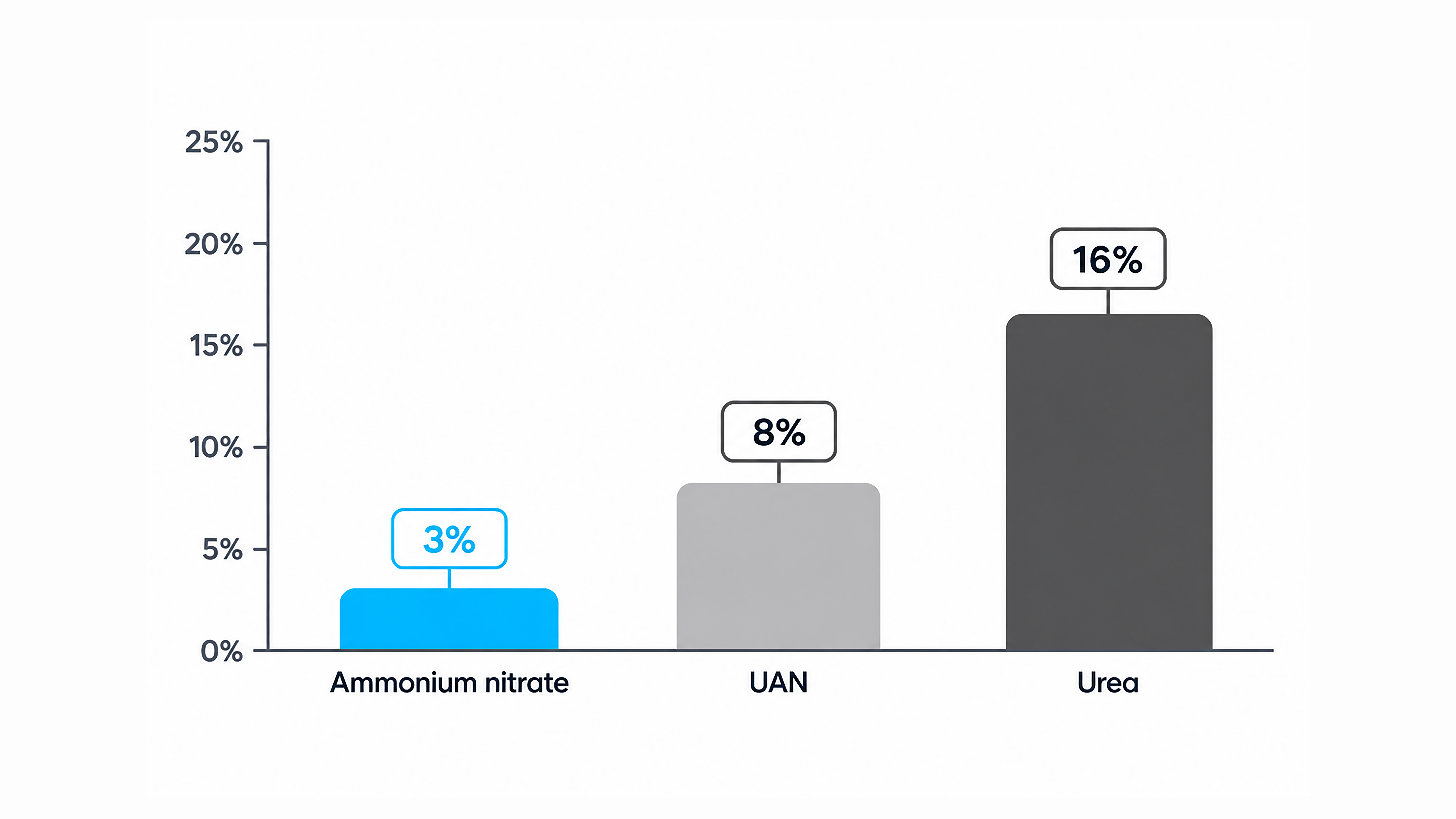
Product, application, and environmental conditions
Maximizing nitrogen use efficiency (NUE) requires the right fertiliser product, the correct application rate, and timing that matches crop demand. Nitrogen losses reduce profitability and contribute to environmental impacts.
The figure shows nitrogen losses as ammonia (NH3) in percent.
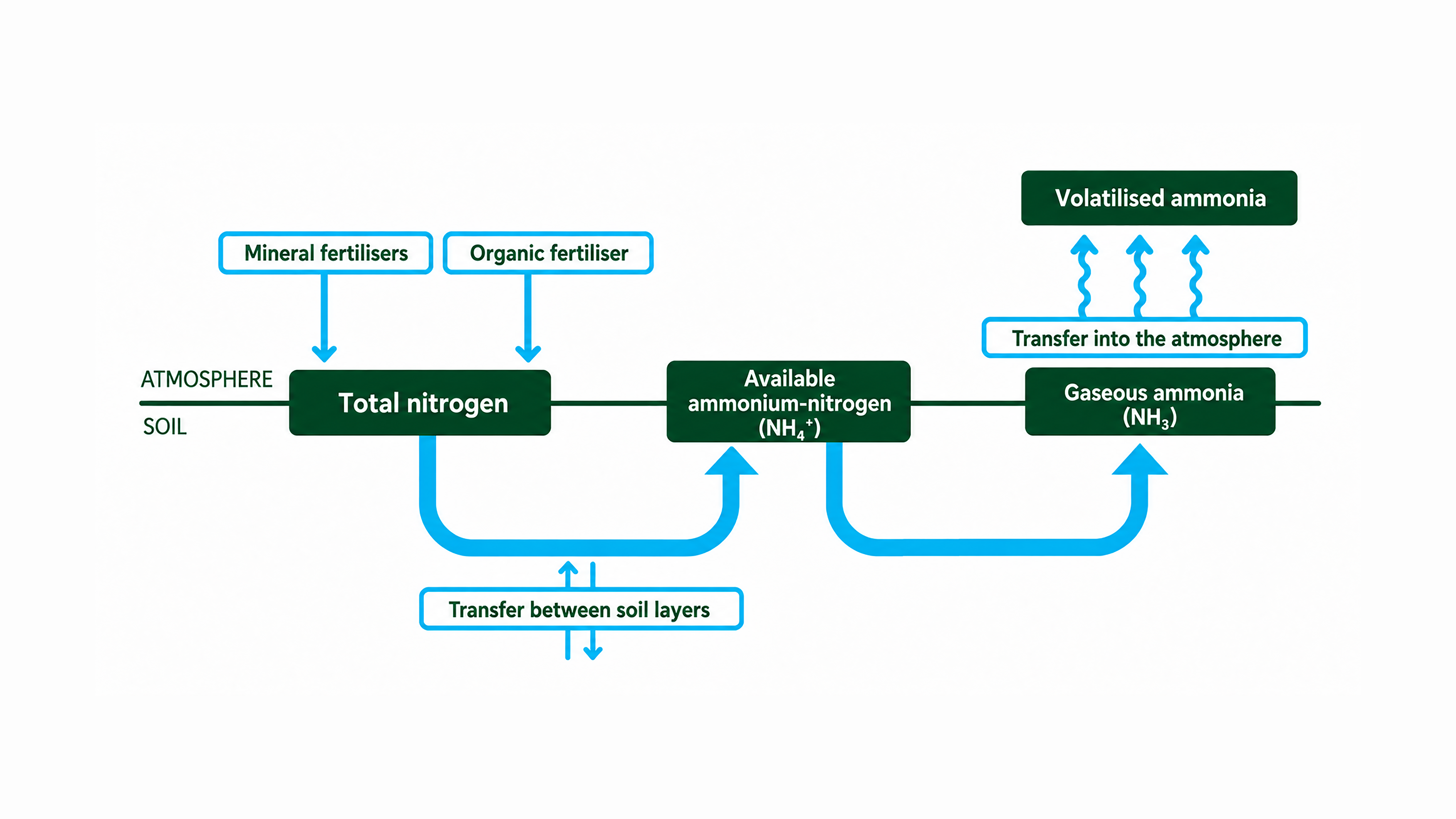
Gaseous nitrogen losses
Nitrogen can be lost to the atmosphere as ammonia (NH₃) through volatilisation or as dinitrogen (N₂) through denitrification. The risk depends on fertiliser type, soil properties and environmental conditions.
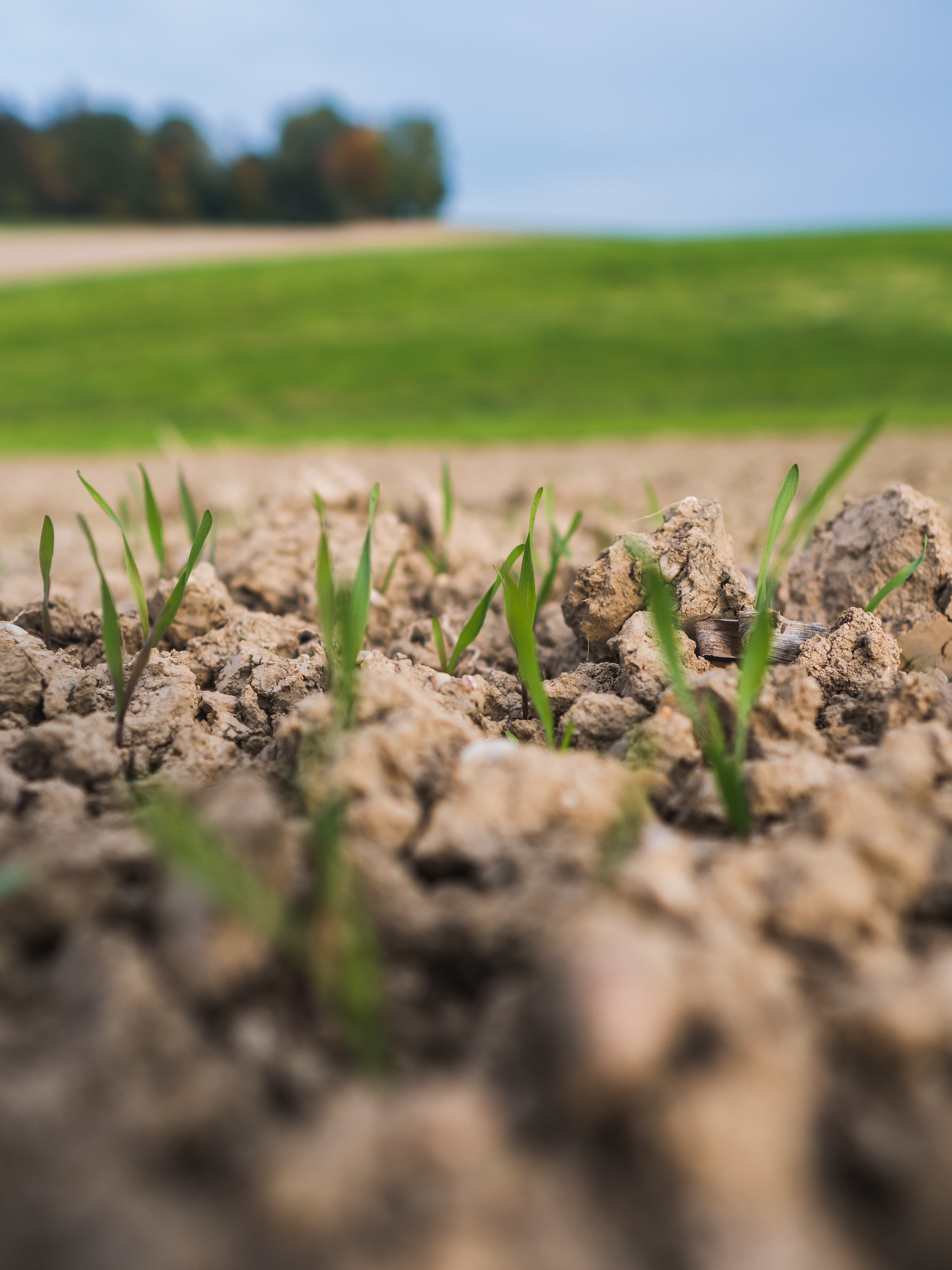
Losses as NH₃ are increased by:
Urea-based fertilisers without urease inhibitors
High soil pH
Warm temperatures
Windy conditions
Low soil moisture
Low cation exchange capacity (CEC)
Surface application without incorporation into the soil
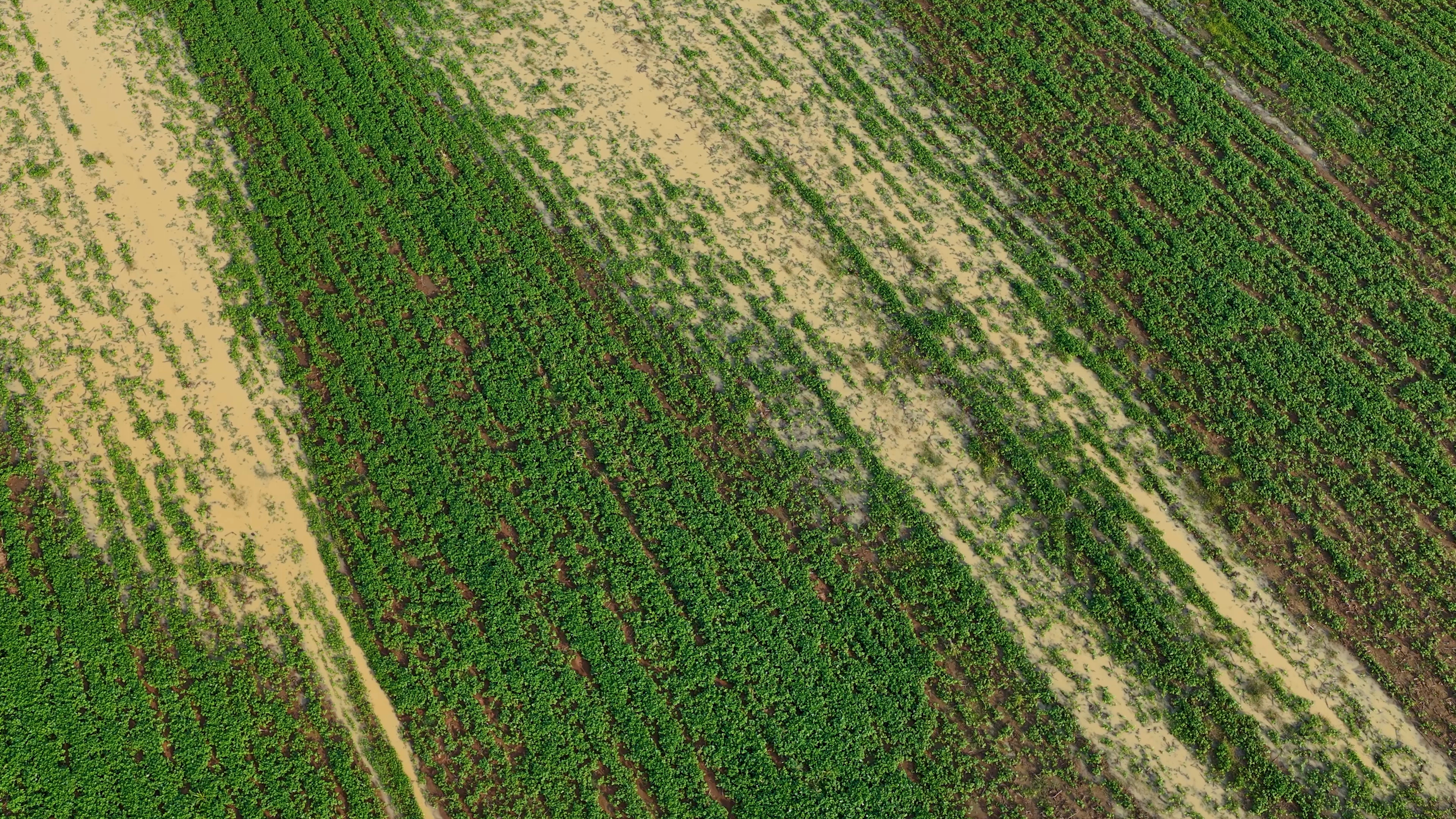
Losses as N₂ are increased by:
Waterlogged or poorly drained soils
Soil compaction and low oxygen availability
Warm temperatures
High nitrate availability
Heavy rainfall after fertilisation
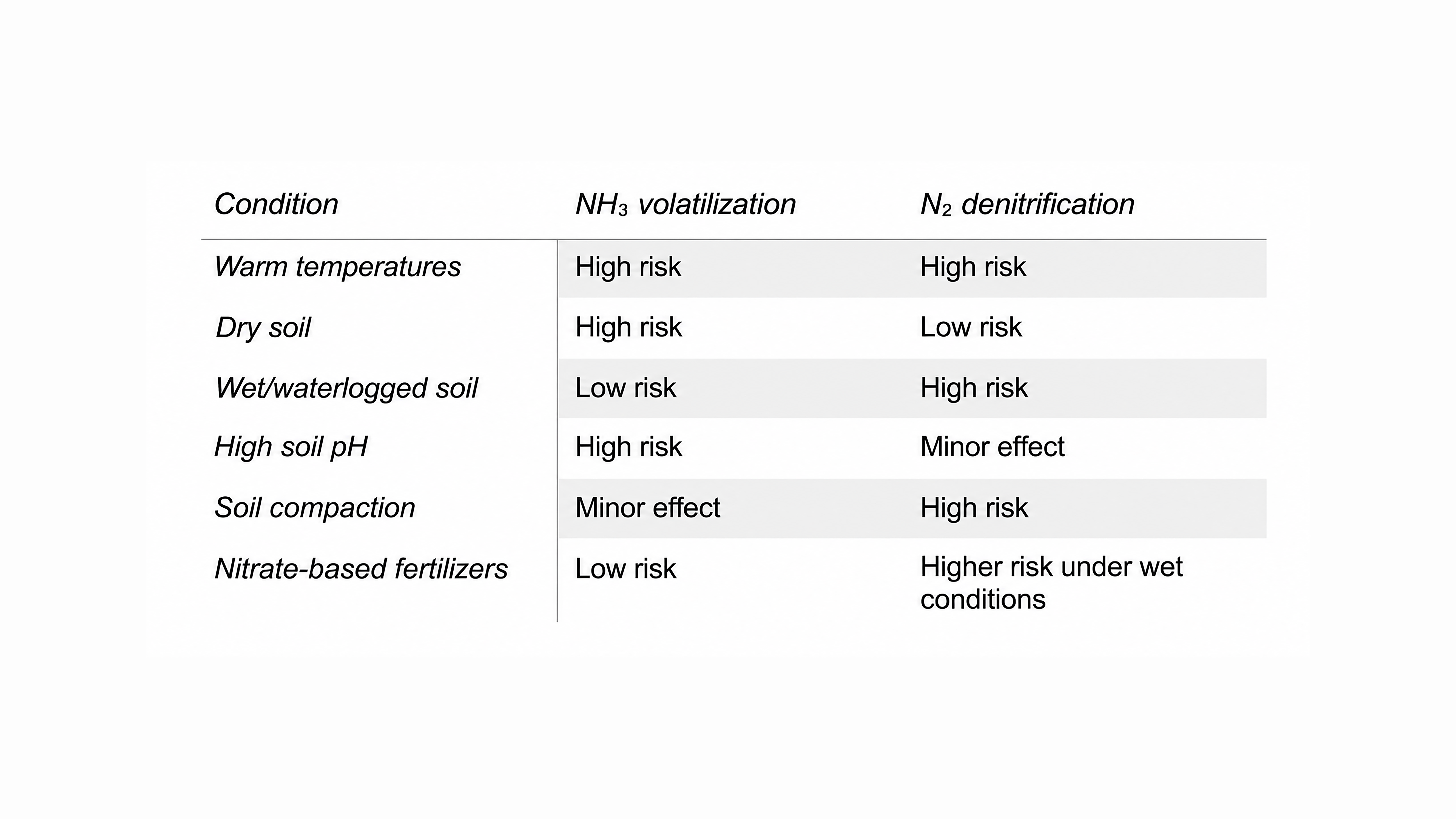
Conditions for fertilisation
To minimize gaseous nitrogen losses:
Apply nitrogen according to crop demand
Avoid fertilisation before extreme weather conditions
Maintain good soil structure and drainage
Minimize soil compaction
Leaching
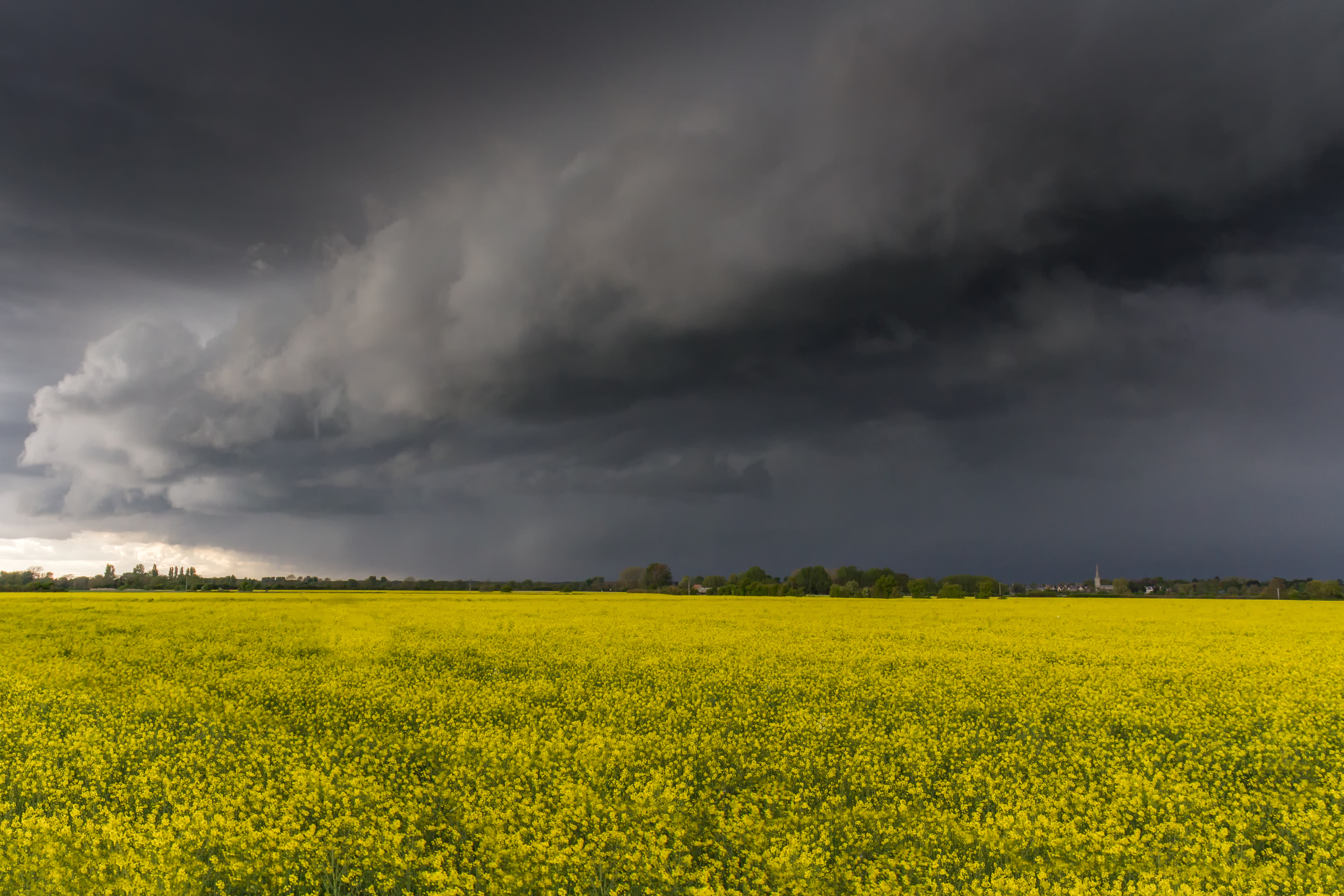
Nitrate is highly mobile in the soil and can be transported below the rooting zone by excess rainfall or drainage water. Leaching occurs when nitrogen supply exceeds crop demand or when nitrogen is applied too early.
Risk is increased by:
Sandy or light-textured soils
High rainfall or irrigation
Low organic matter content
Shallow rooting depth
Excessive nitrogen rates
Long periods between application and crop uptake
To maximize crop uptake and minimize losses:
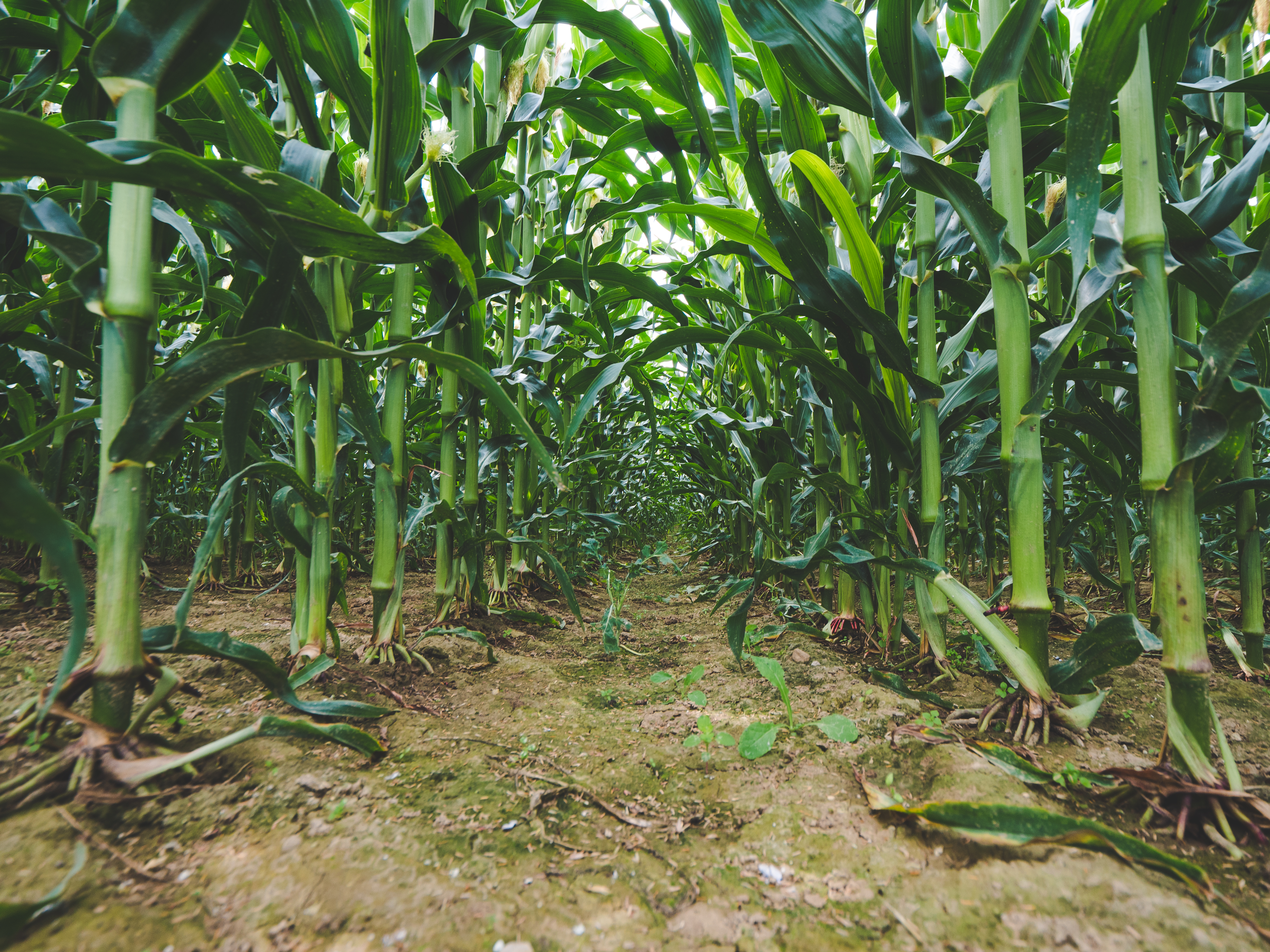
Apply nitrogen according to crop demand and yield potential
Match application timing to periods of high nutrient uptake
Split nitrogen applications where appropriate
Consider nitrogen supplied by soil reserves, organic matter, crop residues, and manure
Select fertiliser products with predictable nitrogen availability
Benefits
Improve Nitrogen efficiency
Higher nitrogen use efficiency
Reduced nutrient losses
Improved yield and crop quality
Better economic returns
Lower environmental impact

VRF for higher nitrogen use efficiency
Variable rate fertilisation helps match nitrogen application to the actual yield potential and crop demand within each part of the field. By applying more nitrogen where crops can utilize it efficiently and less where yield potential is limited, nutrients are used more effectively and losses are reduced.
With NutriGuide®, satellite-based vegetation maps are converted into practical application recommendations, enabling growers to implement variable rate fertilisation either through exported application maps or directly via the NutriGuide® app. This allows every part of the field to receive the right amount of nitrogen at the right time, maximizing both crop performance and fertilizer efficiency.